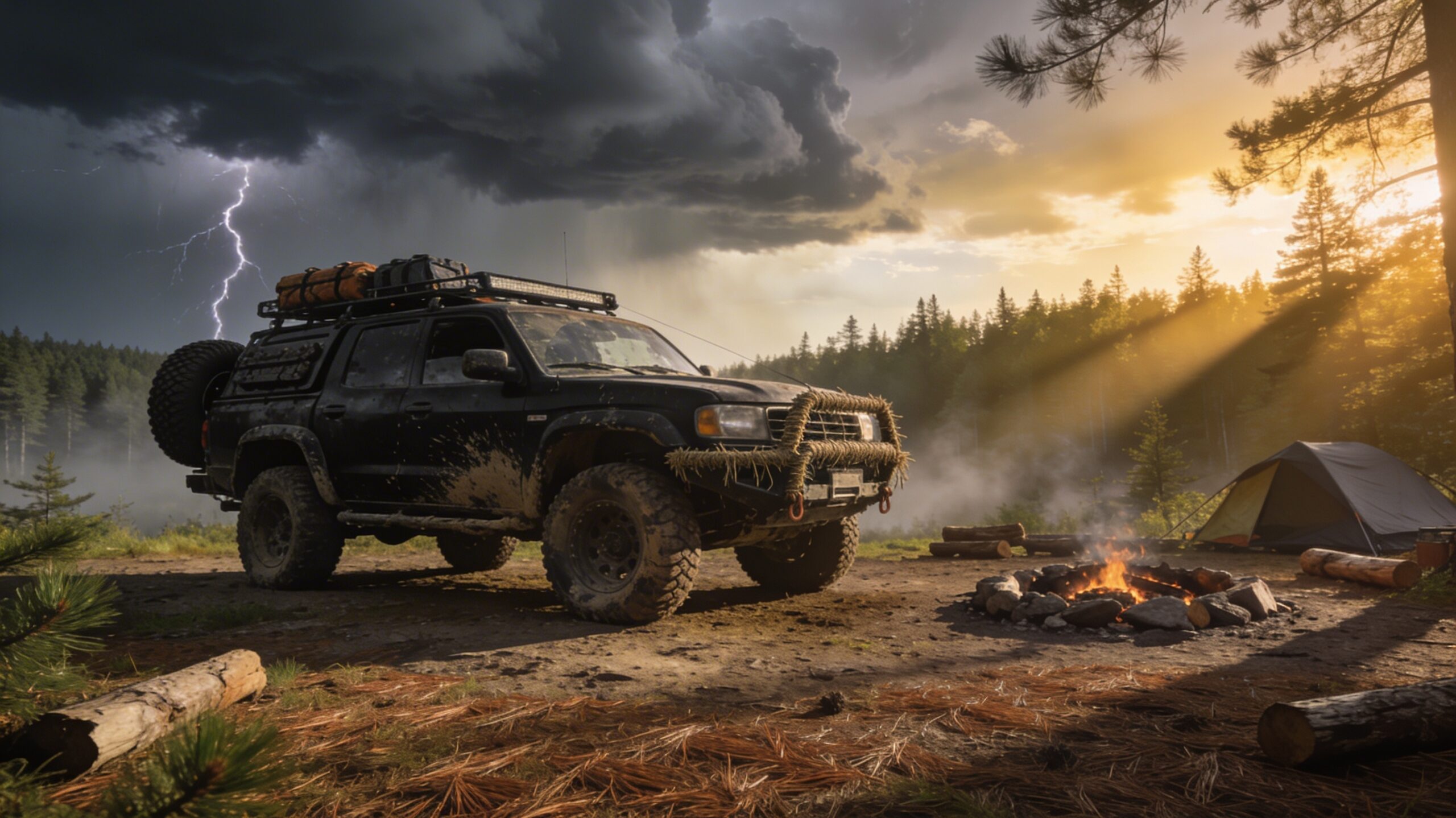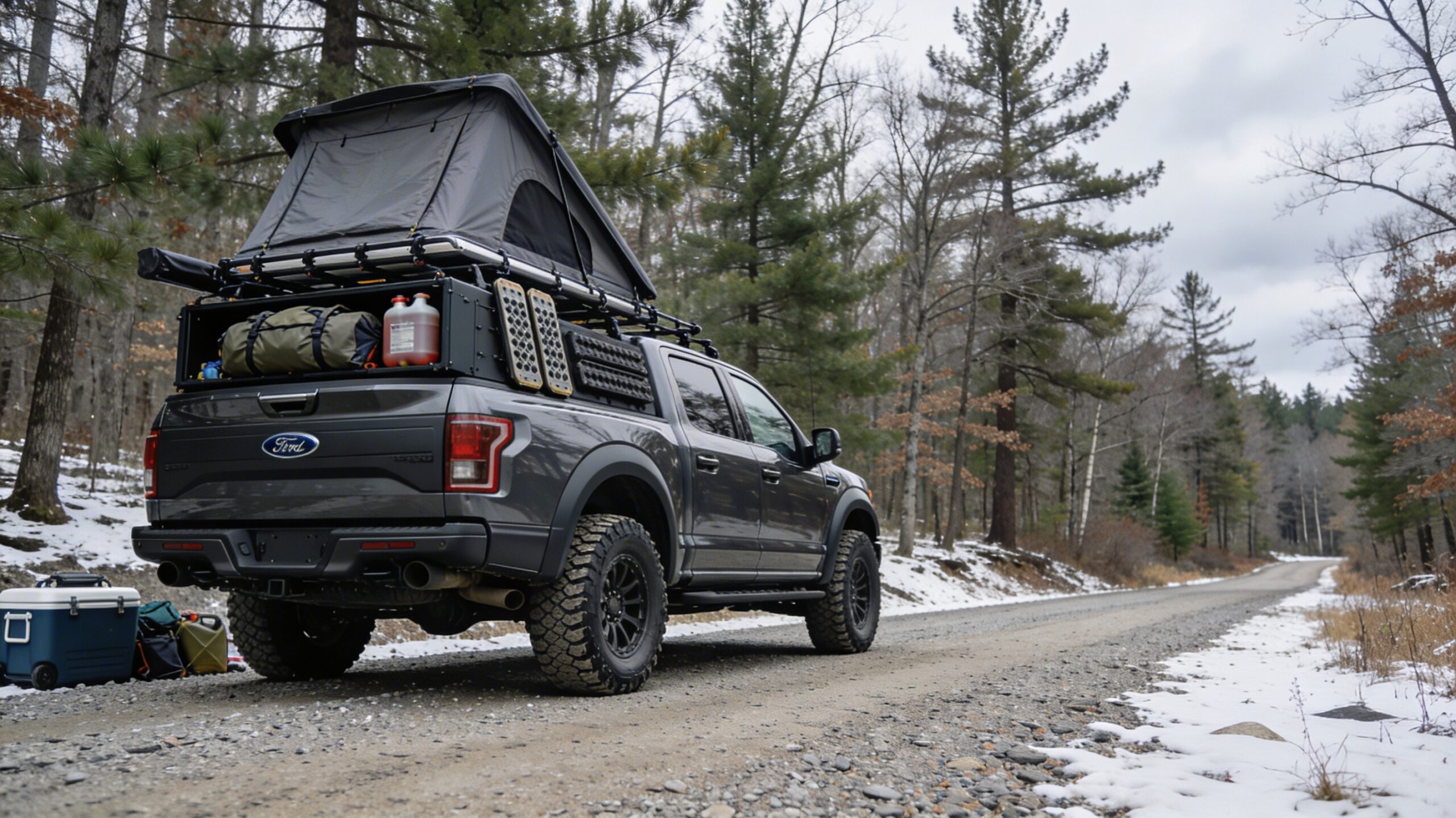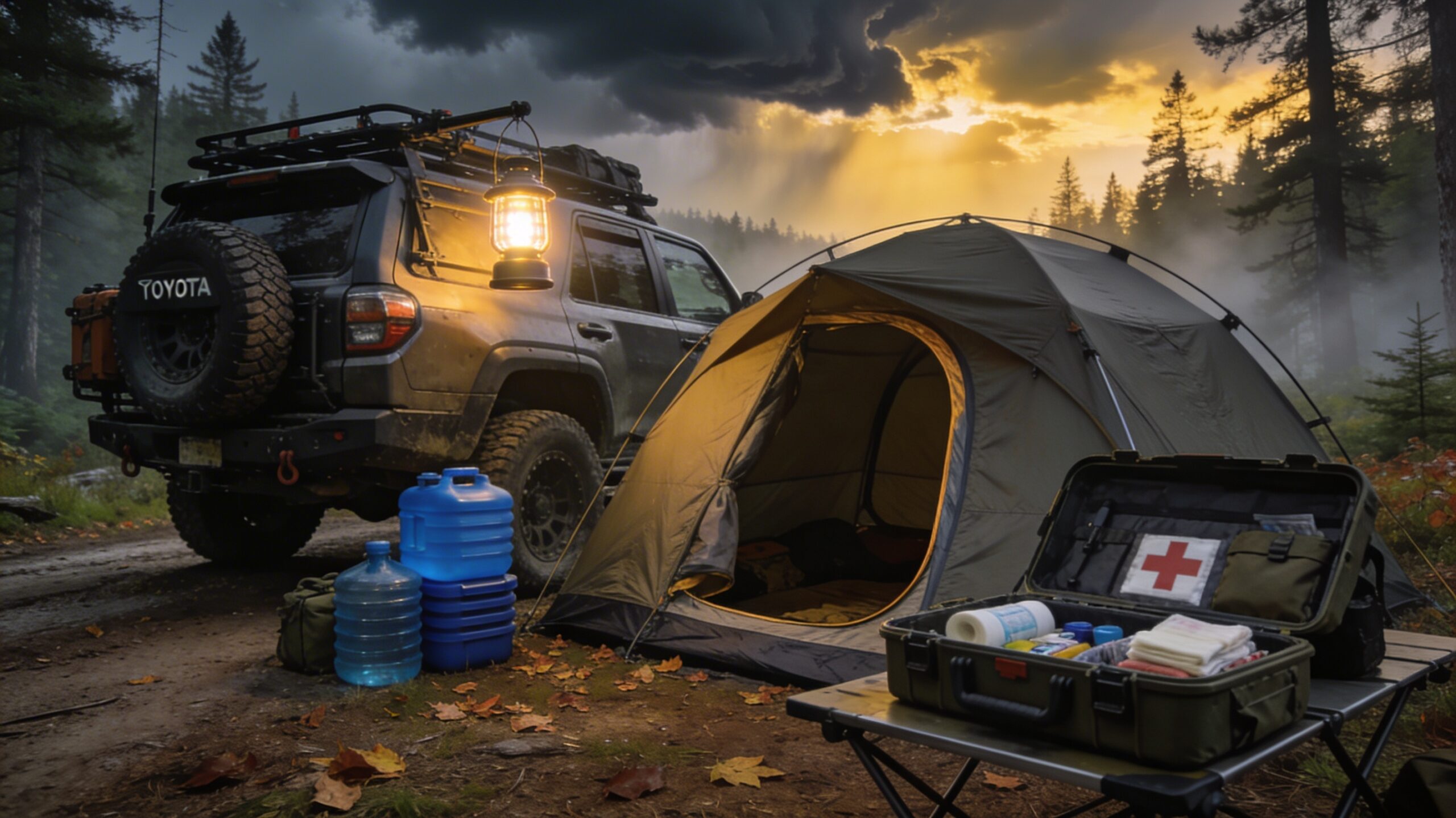
In Michigan, unpredictable weather and remote travel routes mean being prepared isn’t a hobby — it’s a necessity. Whether you’re facing a sudden winter storm on the trail or an unexpected power outage at home, knowing when to stay put and when to hit the road is crucial. This guide breaks down the difference between sheltering in place and bugging out, plus what gear and supplies you need for each scenario to stay safe and ready for anything.
When “If” Becomes “When”: Preparing for the Unexpected in Michigan
For those who practice preparedness, the question isn’t if something will happen — it’s when. Whether the event is a severe Midwest storm, prolonged power outage, or a chemical spill, knowing what to do could mean the difference between comfort and crisis. In this article, we’ll look at the key differences between sheltering in place and bugging out, and what essentials you should have ready for both scenarios.
What Does “Shelter in Place” Mean?
Sheltering in place simply means staying put wherever you are — home, work, school, or even in your vehicle. The American Red Cross defines it as choosing a small, interior room with few or no windows and taking refuge there. Situations that might call for it include hazardous material releases, active threat events, or sudden weather emergencies.
Sheltering in Place at Home
Home is the easiest place to shelter. You likely have the most resources and space to store supplies. Still, having an organized and accessible kit makes a big difference, especially if you lose power or can’t leave for several days.
Sheltering in Place at Work
If an emergency unfolds while you’re at work, your access to gear will be limited. Many offices keep “shelter in place” cabinets, but it’s smart to maintain a small personal kit in an accessible drawer or bag. Include these basics:
- Non-perishable snacks
- Bottled water
- Compact first aid kit
- Flashlight or small lantern
- Extra batteries and a portable emergency radio
- Medications or personal items you rely on
A small bag can fit most of this without attracting attention and could keep you comfortable for hours if evacuations are delayed.
Sheltering in Your Vehicle
While not ideal, you may occasionally need to shelter inside your vehicle — for example, during a chemical spill or blizzard. If this happens, pull over somewhere safe, shut off the engine, close vents and windows, and wait for the all-clear.
The best approach is prevention: stock your overland rig with a vehicle-based 72-hour kit that mirrors what you’d keep at home, including water, snacks, and warmth layers.
What Does “Bugging Out” Mean?
“Bugging out” originally came from a military term describing retreat under threat. In a preparedness setting, it means leaving quickly — often with little notice — due to an imminent or declared danger. For Michigan residents, that might be flooding, wildfire smoke, or widespread outages that make urban areas unsafe.
If evacuation orders are issued, your bug-out bag should be pre-packed and easy to grab. Your vehicle should be fueled, gear stowed, and alternate routes mapped — since highways may clog fast. Consider leaving early if forecasts or alerts suggest trouble is coming.
The Right Gear and Supplies
Both scenarios — staying or leaving — rely on one thing: preparation. As discussed in our previous Preparedness for Overlanders article, planning, practicing, and evaluating your gear and strategy is essential. Your kit should match your personal needs, medical requirements, and environment.
Basic Survival Kit Checklist
A solid baseline is a 72-hour survival kit. According to FEMA and the Red Cross, your kit should include:
- Water — one gallon per person, per day
- Non-perishable food — easy to prepare and store
- Can opener and utensils
- Flashlight and extra batteries
- Two-way or emergency radio
- Fire-starting tools and whistle
- First aid kit and multi-tool
- Sanitation items (soap, wipes, bags)
- Copies of important documents in waterproof containers
- Phones, chargers, and backup power
- Cash in small bills
- Maps, extra clothes, and blankets
Customize your kit for your family: include pet food, baby supplies, prescriptions, or comfort items for kids. Store everything together in an easy-to-carry bin or pack so you can grab it fast or move it inside during shelter-in-place orders.
Keep Your Preparedness Gear Ready
Inspect your kit regularly — rotate expired food, replace batteries, and check seasonal gear. Disasters rarely wait for convenience, so readiness must become routine.