Explore Michigan, One Backroad at a Time

Preparedness

When Disaster Strikes: Should You Stay or Go?

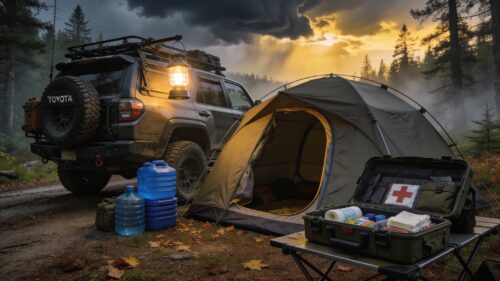
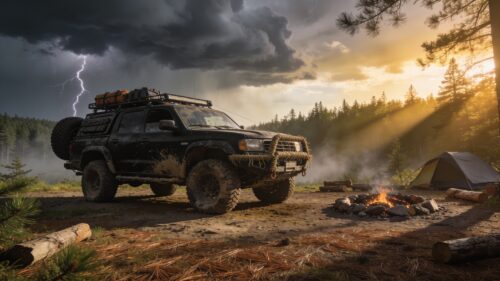
In Michigan, unpredictable weather and remote travel routes mean being prepared isn’t a hobby — it’s a necessity. Whether you’re facing a sudden winter storm on the trail or an unexpected power outage at home, knowing when to stay put and when to hit the road is crucial. This guide breaks down the difference between sheltering in place and bugging out, plus what gear and supplies you need for each scenario to stay safe and ready for anything. When “If” Becomes “When”: Preparing for the Unexpected in Michigan For those who practice preparedness, the question isn’t if something will happen — it’s when. Whether the event is a severe Midwest storm, prolonged power outage, or a chemical spill, knowing what to do could mean the difference between comfort
Read More »
Preparedness

Preparedness for Overlanders: Building Resilience Beyond the Trail

September is National Preparedness Month, and while Michigan might be spared from hurricanes or wildfires, that doesn’t mean we’re immune to emergencies. Power outages, severe winter storms, or simply being stranded off-grid can all test your readiness. At Michigan Overland, we see preparedness not as panic—but as self-reliance. The same mindset that drives us to explore deep into the Keweenaw or traverse the dunes at Silver Lake also helps us handle disruptions closer to home. (Caveat: We’re not certified preparedness experts—just overlanders sharing what’s worked for us. For deeper learning, check out FEMA and the Department of Homeland Security’s resources.) The Overlander’s Definition of Preparedness FEMA defines preparedness as “a continuous cycle of planning, organizing, training, equipping, exercising, evaluating, and taking corrective action.” Sound familiar? These are

Read More »
Rigs

One Rig, Two Missions: Overland Rig vs. Bug-Out Rig

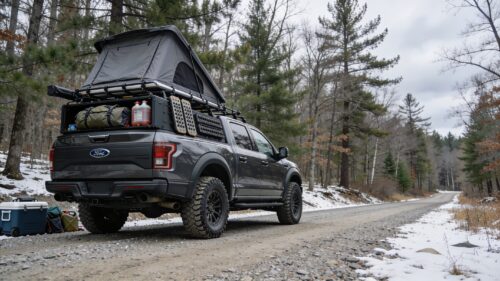
Most of us built our rigs for weekends in the woods, not worst-case scenarios. The good news is you don’t need two separate vehicles for those roles. With a focus on reliability, fuel range, and a few smart packing habits, your everyday overland setup can also serve as a capable bug-out rig when life goes sideways. What Is an Overland Rig? An overland rig is any vehicle set up for self-reliant, vehicle-based adventure travel where the journey is as important as the destination. That might be a lifted 4×4 with a rooftop tent, or it might be your mostly stock SUV, wagon, or truck loaded with camping gear, maps, and a way to sleep inside or beside the vehicle. At its core, an overland rig

Read More »

Need Coffee? We've Got You Covered

Overlanding

The Minimalist Overlander’s Guide: Packing Smarter and Lighter

Minimalism in overlanding is not about suffering without gear; it is about carrying only what truly adds value on the trail. A minimalist kit is easier to pack, faster to deploy at camp, and far less stressful to live with over a long weekend. New overlanders often fill their vehicles with bins of “just in case” gear, only to spend more time digging through tubs than enjoying camp. Over time, intentional packing and a minimalist mindset lead to a setup that is ready for a spontaneous Friday-afternoon departure with very little prep. For a deeper foundation on this mindset, see Michigan Overland’s guide to an adventure-ready premade go box. Lessons Learned from Overpacking Early trips frequently reveal how inefficient a “bring it all” approach can

Read More »
Camping

A Michigan Overlander’s Guide to Dispersed Camping

Dispersed camping is one of the best ways to experience Michigan as an overlander — free, remote, and far from the crowds. But it comes with responsibilities and rules that help keep these places open for all of us. What Is Dispersed Camping in Michigan? Michigan is packed with campgrounds across both the Upper and Lower Peninsulas, from full-service state parks to rustic forest campgrounds. Those are great when you want amenities, but most of the time when you’re overlanding, you’re not in a developed campground at all — you’re dispersed camping. Dispersed camping means setting up camp outside of designated campgrounds on public land, with no hookups, no bathhouses, and no camp hosts. You’re entirely self-sufficient, including bathrooms, water, trash, and power. One big

Read More »
Overlanding

Building Your Overlanding Crew: How to Form a Core Group You Can Trust on the Trail

Solo overlanding has its appeal—the solitude, the freedom to set your own pace, the sense of self-reliance. But when it comes to safety, learning, and long-term adventure, there’s real value in having a trusted group by your side. A core team can make the difference between a trip that’s stressful and one that’s smooth, productive, and full of shared memories. Why a Dedicated Group Matters Traveling with others means shared responsibilities on the trail and at camp. A group can pool gear, knowledge, and problem-solving ability to handle challenges—from recovery situations to dinner prep—more effectively than one person ever could. Above all, a reliable crew builds safety into every trip and gives you the confidence to explore more remote or demanding routes. Just as important

Read More »

Gear Store

Camping

Leave No Dirty Dish Behind: Keeping Clean and Healthy on the Trail

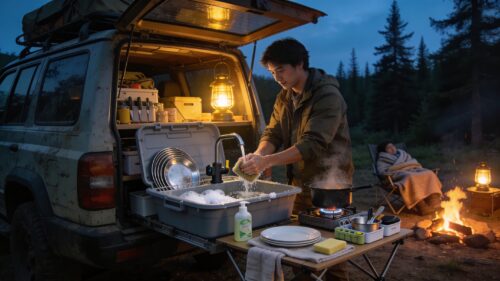
Washing dishes might not be the most glamorous part of overlanding, but it’s one of the most important. Keeping your camp kitchen clean doesn’t just make for a tidier campsite—it protects you and your crew from stomach issues that can ruin a trip fast. Poor dishwashing habits can lead to lingering bacteria, attracting pests, or worse, gastrointestinal illness that’s tough to deal with miles from the nearest restroom. Start With Clean Hands Before cooking or cleaning, always wash your hands. It’s the simplest daily habit that prevents contamination. A small portable faucet or water jug with a spout makes this easy, especially if paired with biodegradable soap. Cook Smart and Minimize Waste Plan meals carefully. Cook only what you need, and aim to eat it

Read More »
Camping

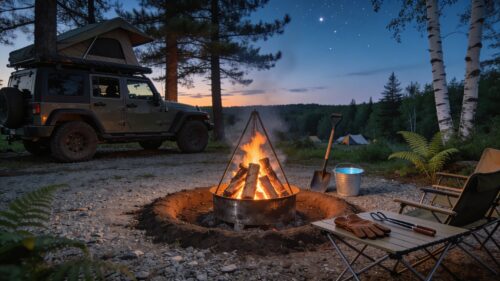
Campfire Safety: How to Enjoy the Flame Without Starting a Wildfire

Campfires are a cherished part of Michigan overlanding trips, providing warmth, cooking, and stories under the stars. Mastering campfire safety ensures your adventures stay fun and wildfire-free, especially in our dry seasons.​​ Why Safety Matters Unattended or poorly managed campfires can spark devastating wildfires in Michigan’s forests, leading to trail closures and fines. Michigan DNR reports highlight high fire risks in northern areas during dry spells, urging extra caution with open flames. Overlanders must prioritize prevention to protect public lands we love.​ Site Selection Rules Choose existing fire rings or portable pits to minimize ground impact, aligning with Leave No Trace principles. Clear a 10-foot radius of dry grass, leaves, and branches, and stay 15 feet from tents or vehicles. In Michigan state parks or

Read More »
Camping

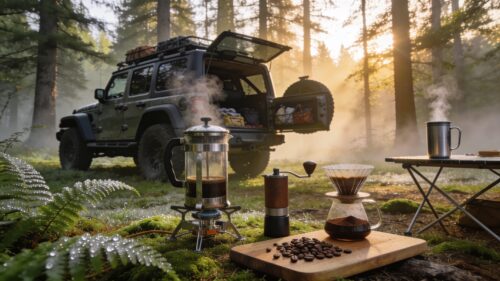
Brew Like a Pro: Making Great Coffee at Camp

There’s just something about a fresh cup of coffee in the still morning air. The smell of the beans, the sound of the kettle, and the first sip while you take in the view—it’s one of the finest rituals in overlanding. Making coffee on the trail doesn’t need to be complicated; in fact, that’s part of the beauty of it. Cowboy Coffee and Beyond The simplest way to make coffee outdoors is the classic cowboy coffee—just grounds, water, and heat. It’s bold, strong, and perfectly rugged. But these days, there are plenty of ways to brew a great cup while overlanding. From pour-overs and French presses to instant coffee and compact K-cup brewers, you can find a setup that fits your rig and your taste. Building

Read More »

Join Michigan Overland