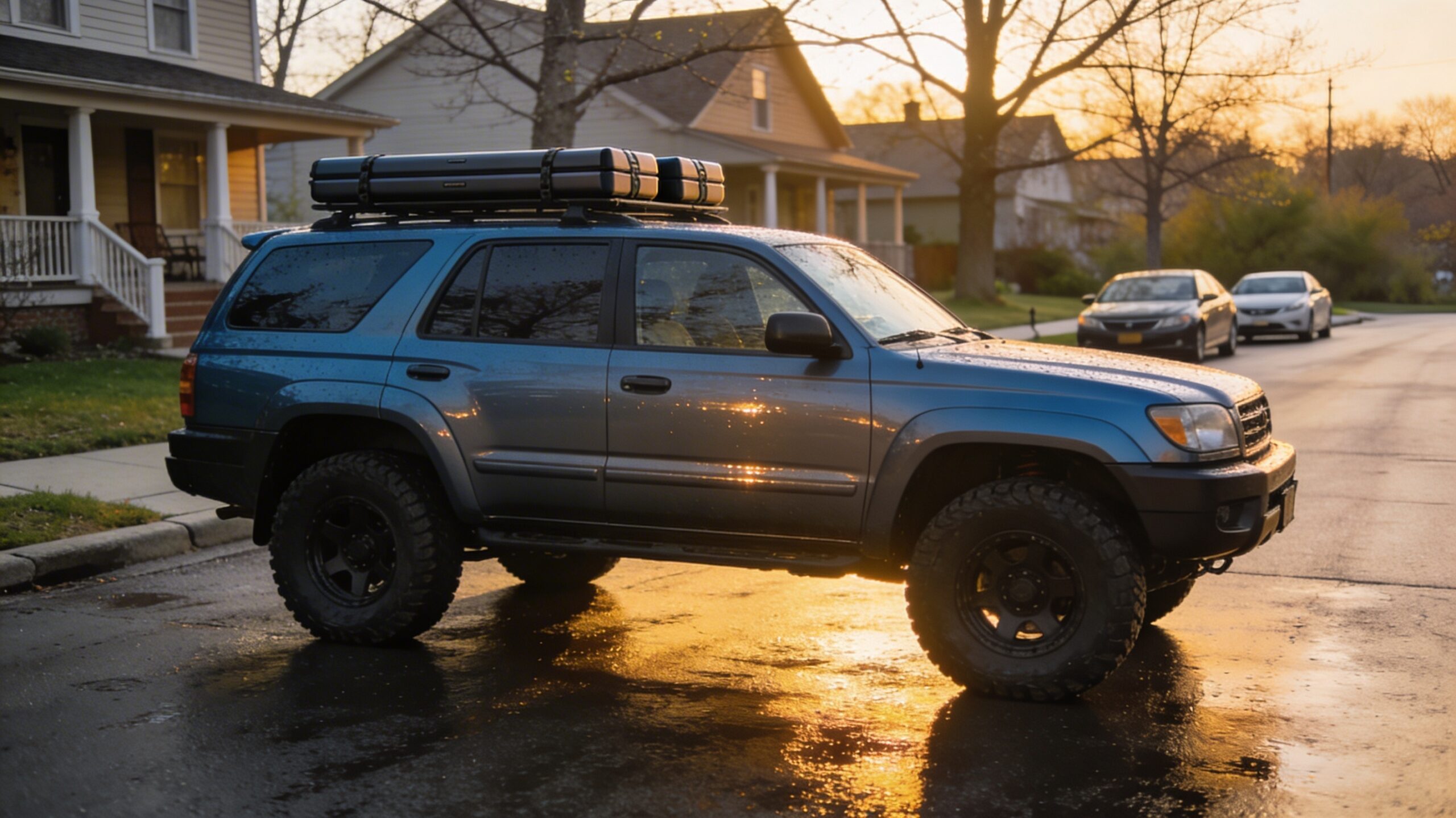
Most of us can’t afford to have a dedicated overland vehicle sitting in the garage waiting for the next adventure. Our rigs often have to do double duty—commuting to work during the week and hitting the trails on weekends. It’s practical, but not without quirks. Let’s take a look at the upsides and downsides of using your overland rig as your everyday driver.
The Advantages: Always Ready to Roll
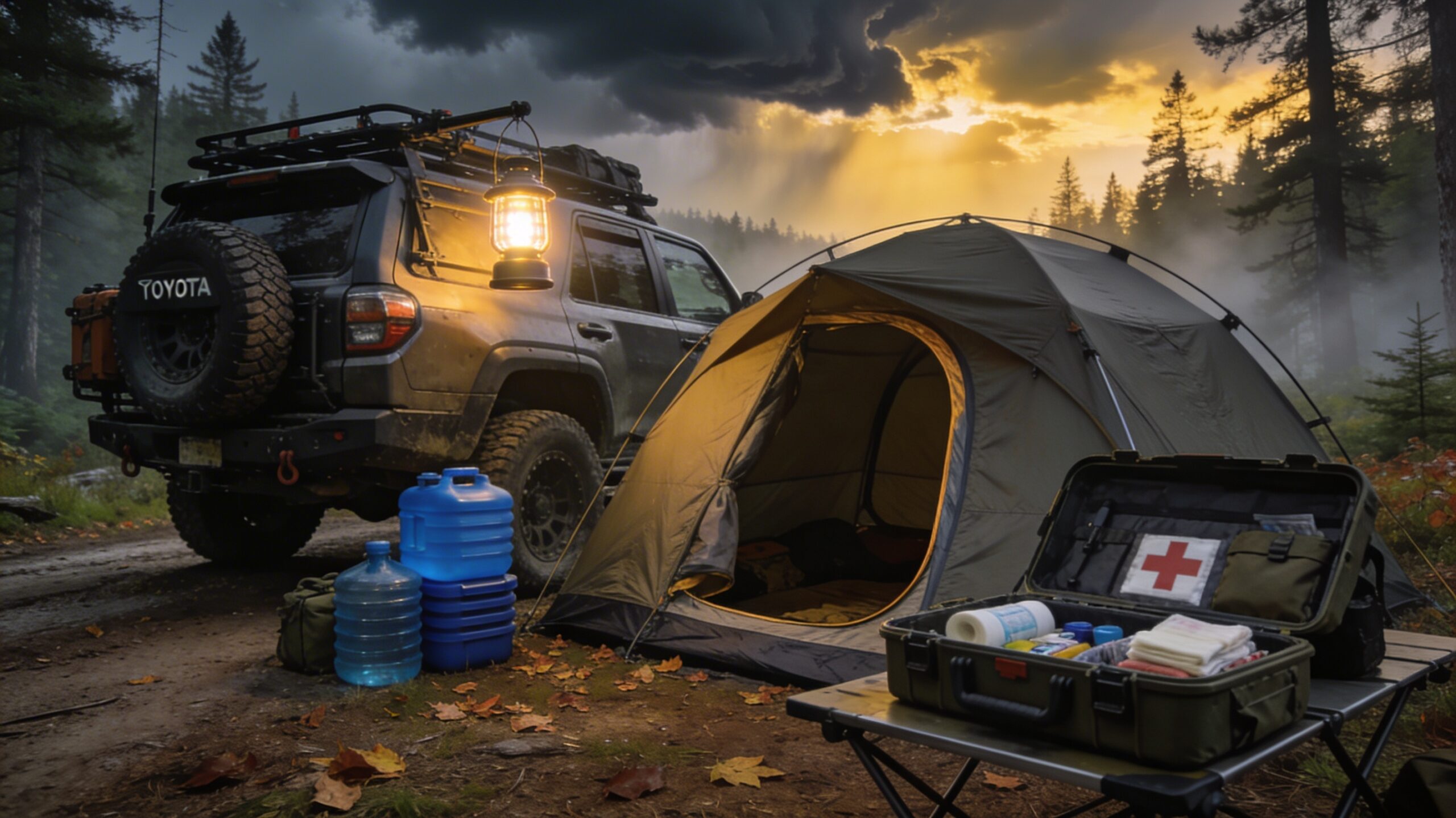
One of the best parts of driving your rig daily is that it’s always adventure-ready. You can head out at a moment’s notice without worrying about packing or prepping. If you keep a small kit or adventure box in the back, all it takes is a tank of gas and a destination.
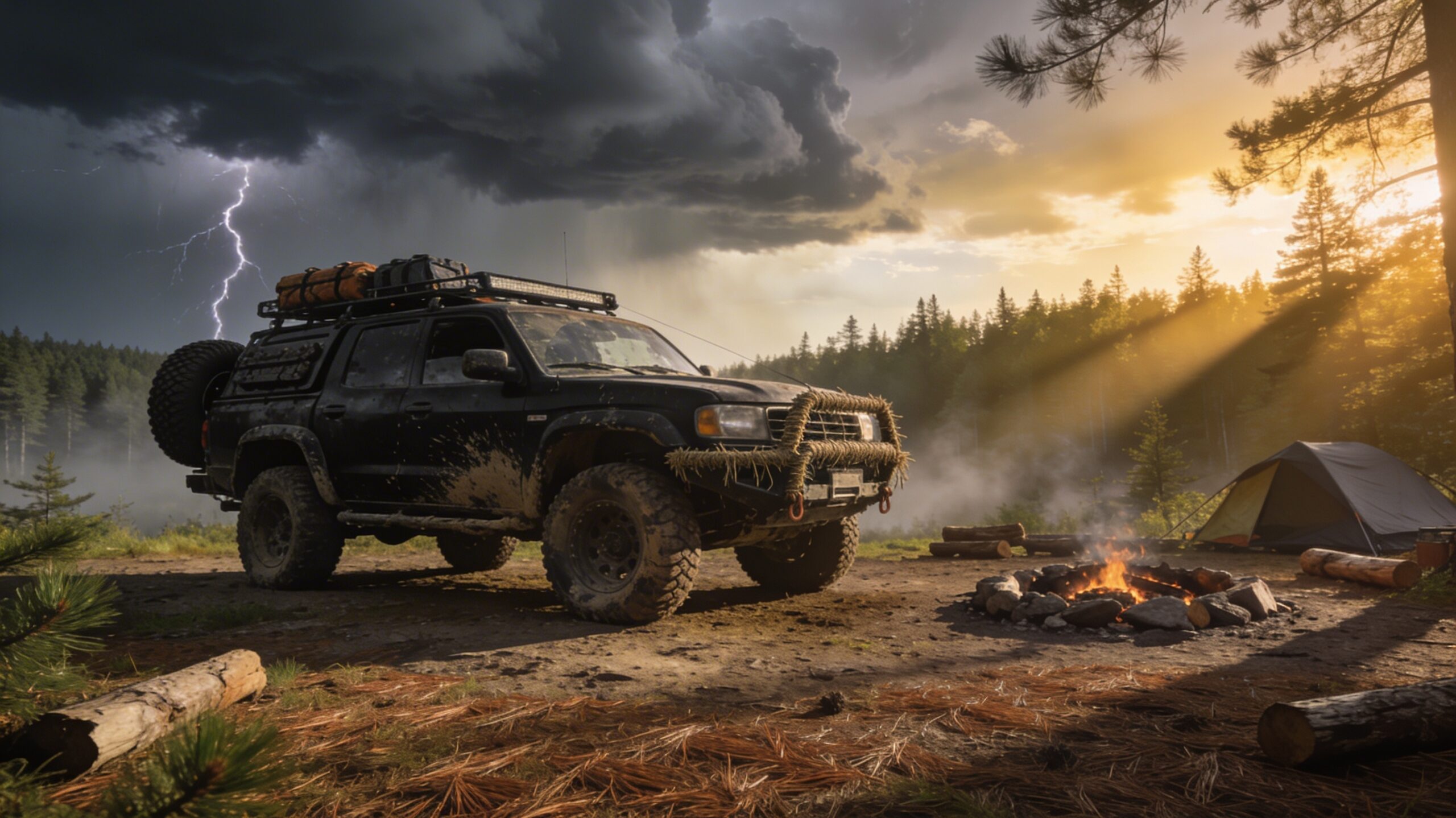
Your upgrades pay off too. Off-road tires, suspension, and recovery gear aren’t just for backcountry exploration—they come in handy during Michigan winters or heavy rain. Plus, your rig might spark conversation wherever you go. People are curious, and sometimes that leads to great connections with others interested in the overland lifestyle.
The Disadvantages: Practical Realities
Of course, there are compromises. That same gear and equipment that make your truck trail-ready also add weight, affecting performance, braking, and fuel economy. You’ll likely notice a little less pep, a bit more stopping distance, and more frequent trips to the pump.
Parking can also be tricky—especially in cities or crowded areas. Height restrictions in parking garages, tight downtown spots, and small lots can turn errands into mini-challenges. It helps to plan ahead and know your vehicle’s height and turning radius.
Space is another limitation. All that cargo and gear often come at the expense of passenger comfort and storage. If you’re hauling family or friends, you might find yourself constantly rearranging your setup.
People and Security: Protect What You Pack
Unfortunately, people can be the biggest downside. Thieves target vehicles with visible gear—roof racks, storage boxes, or recovery tools. Even in quiet neighborhoods, it’s smart to lock up your stuff. Use tamper-resistant cables, locks, and interior storage solutions when possible. If you can avoid it, don’t keep expensive gear inside the vehicle full-time.
Wear, Tear, and Insurance
The extra weight and accessories take a toll on your rig’s components. Suspension parts, brakes, and driveline systems all see more stress than stock setups. Stay on top of scheduled maintenance and check for unusual wear. Preventative care is cheaper than major repairs down the line.
Another practical consideration: insurance. Some carriers will extend coverage to aftermarket modifications or accessories, but at a cost. If you’ve invested thousands in equipment, it might be worth discussing coverage options with your provider.
Keeping It Simple
If your rig doubles as your commuter, simplicity and reliability should guide every modification. Stick to practical upgrades that enhance everyday usability and trail performance alike. Keep the vehicle as close to stock as possible to ensure comfort, safety, and easy serviceability.
And remember—you still need to drive that vehicle to work Monday morning. Every mod should serve both your daily and adventure needs.
Does a Trailer Make Sense?
For some, towing a small overland trailer instead of loading everything into the vehicle is the sweet spot. It keeps your daily driver lighter, saves interior space, and still allows for quick getaways.