Get Home Bag (GHB) and Bail Out Bag (BOB) Setup for Overlanders
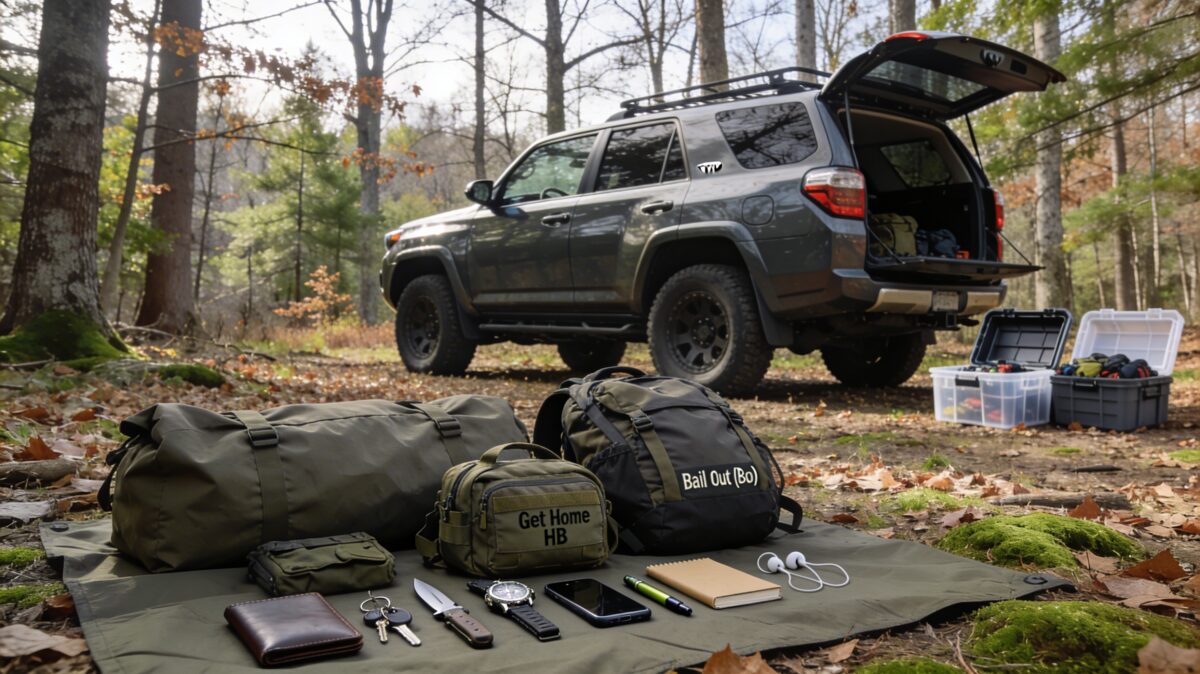
Within the preparedness triangle, Get Home Bags and Bail Out Bags represent the point where travel shifts from vehicle to foot. This could mean walking from a workplace back home during a disruption or leaving a disabled vehicle in the backcountry to reach a major road. Although they share some overlap, GHBs and BOBs are […]
Long‑Term Preparedness: How to Plan for Shelter in Place and Evacuation
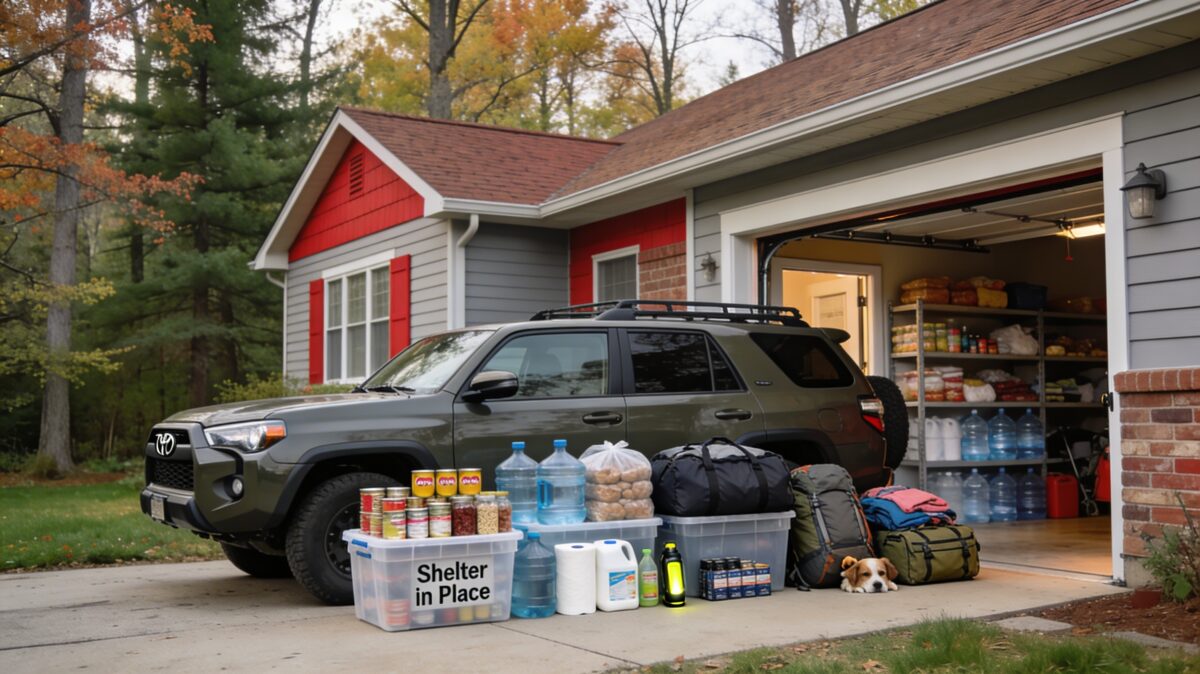
The lowest, broadest layer of the preparedness triangle focuses on long‑term survival and stability. Unlike EDC, vehicle kits, or get‑home bags, this layer assumes significant disruption: either staying at home for an extended period or leaving home entirely for a safer location. These two paths are known as Shelter in Place (SIP) and Not Coming […]
Building Your Preparedness Triangle: A Practical Guide for Overlanders

Preparedness is not about paranoia; it is a practical mindset that becomes essential when adventures lead into Michigan’s forests, sand, and seasonal roads. Most overlanders already depend on what is in and around their vehicles to stay safe, comfortable, and capable when conditions change unexpectedly. A useful way to understand this mindset is through a […]
Everyday Carry for Overlanders: Building a Practical EDC Kit

Everyday Carry (EDC) is the smallest but most frequently used layer of the preparedness triangle. It represents the essential items that stay on a person day in and day out, whether they are at work, in town, or heading for a weekend of overlanding. While EDC is not designed for long-term emergencies, it plays a […]