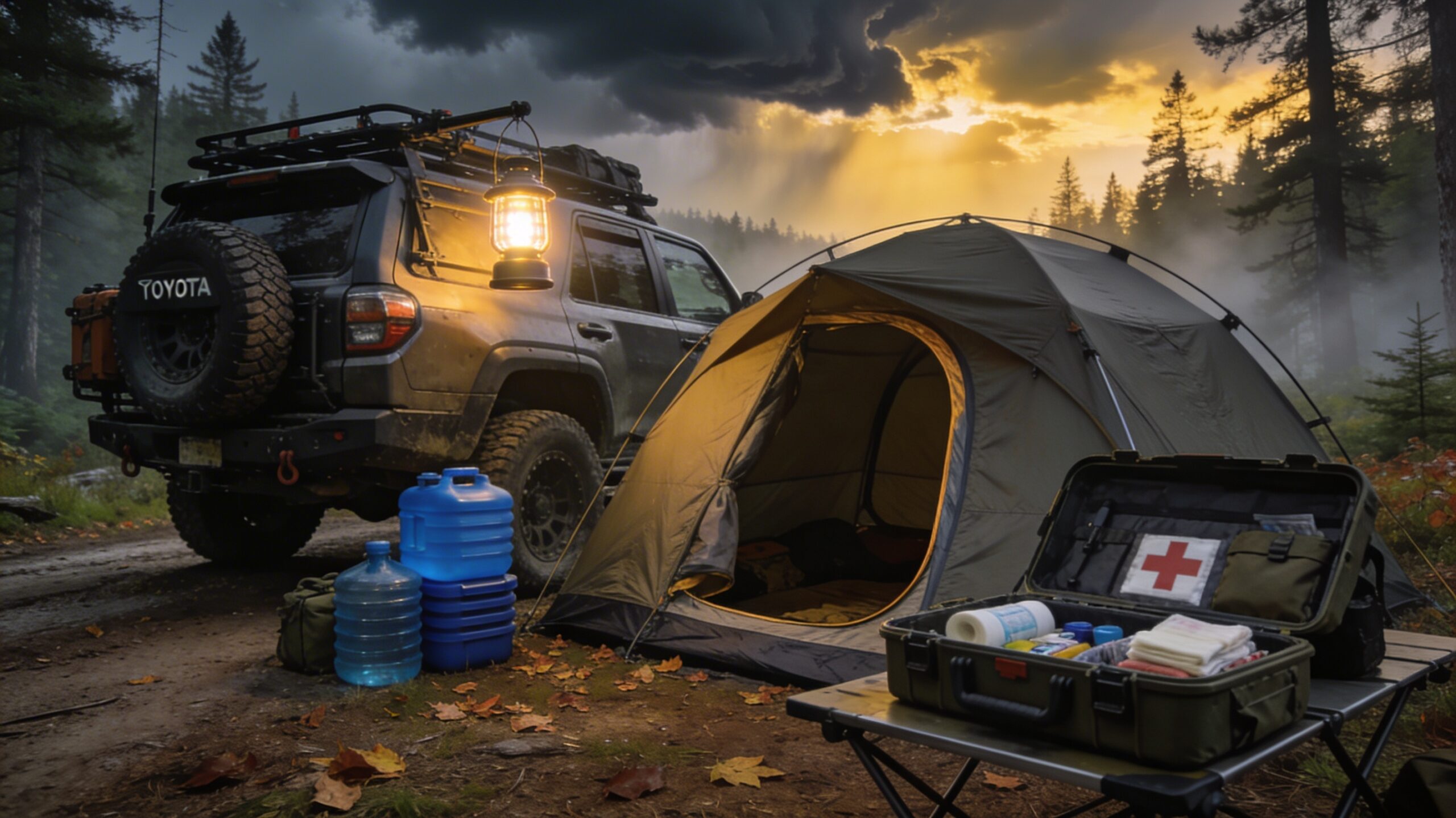
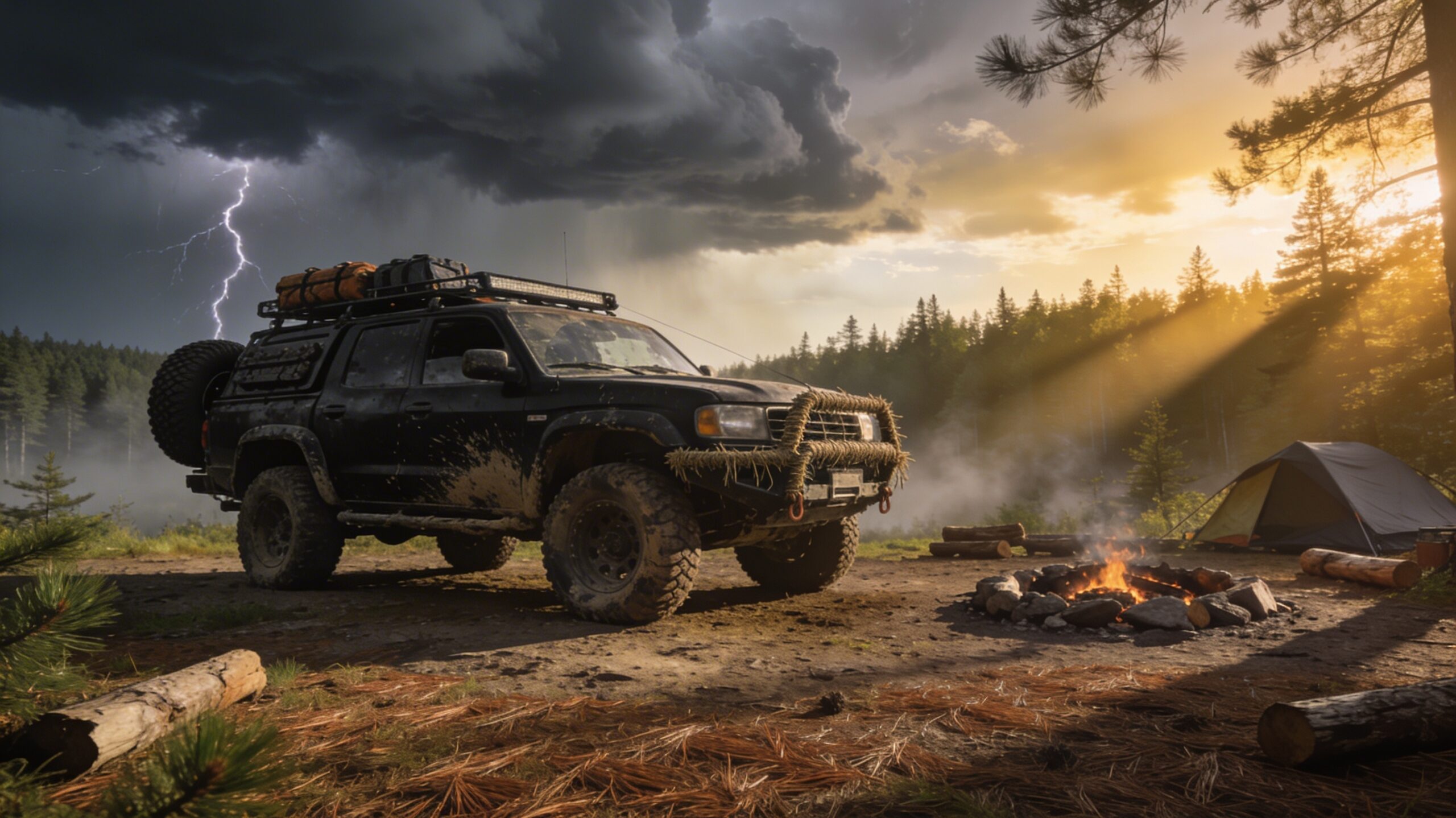
Campfires are a cherished part of Michigan overlanding trips, providing warmth, cooking, and stories under the stars. Mastering campfire safety ensures your adventures stay fun and wildfire-free, especially in our dry seasons.
Why Safety Matters
Unattended or poorly managed campfires can spark devastating wildfires in Michigan’s forests, leading to trail closures and fines. Michigan DNR reports highlight high fire risks in northern areas during dry spells, urging extra caution with open flames. Overlanders must prioritize prevention to protect public lands we love.
Site Selection Rules
Choose existing fire rings or portable pits to minimize ground impact, aligning with Leave No Trace principles. Clear a 10-foot radius of dry grass, leaves, and branches, and stay 15 feet from tents or vehicles. In Michigan state parks or forests like Huron-Manistee, confirm local bans via DNR apps before lighting up.
Building Safely
Use dry, seasoned hardwood—no green wood or trash that smokes heavily. Start small with tinder, kindling, and logs in a teepee structure for control. Keep fires under 3 feet tall and avoid accelerants like gasoline.
| Essential Gear | Purpose |
| Shovel | Dig trenches or smother flames |
| Water bucket | Douse and cool ashes |
| Fire extinguisher | Quick emergency response |
| Gloves & tongs | Safe handling |
| Portable fire pit | Leave No Trace option |
During the Fire
Never leave it unattended, even briefly—assign a fire watch. Keep kids and pets 10 feet back, and monitor wind for embers. Have water ready and stir occasionally to prevent hot spots.
Complete Extinguishing
Drown with water, stir ashes with a shovel, then drown again until cool to touch (like handshake temperature). If water’s scarce, smother with dirt or sand. Check metal rings before packing up.
Michigan-Specific Tips
Check DNR fire danger ratings daily, as bans hit northern Michigan often in summer. Portable pits are ideal for overlanding to avoid scars on trails. Pack out all waste to keep sites pristine.